
FSB Raids Moscow City Crypto Hub in Major Fraud Bust


Key Takeaways
- The FSB and MVD raided Moscow City crypto offices, disrupting 9 foreign channels and detaining over 20 people.
- The crackdown hit Bitriver and a Telegram-linked token, signaling strict oversight across the crypto industry.
- MVD investigators seek more victims for restitution while suspects face up to 10 years in prison.
Foreign Crypto Laundering Ring Dismantled
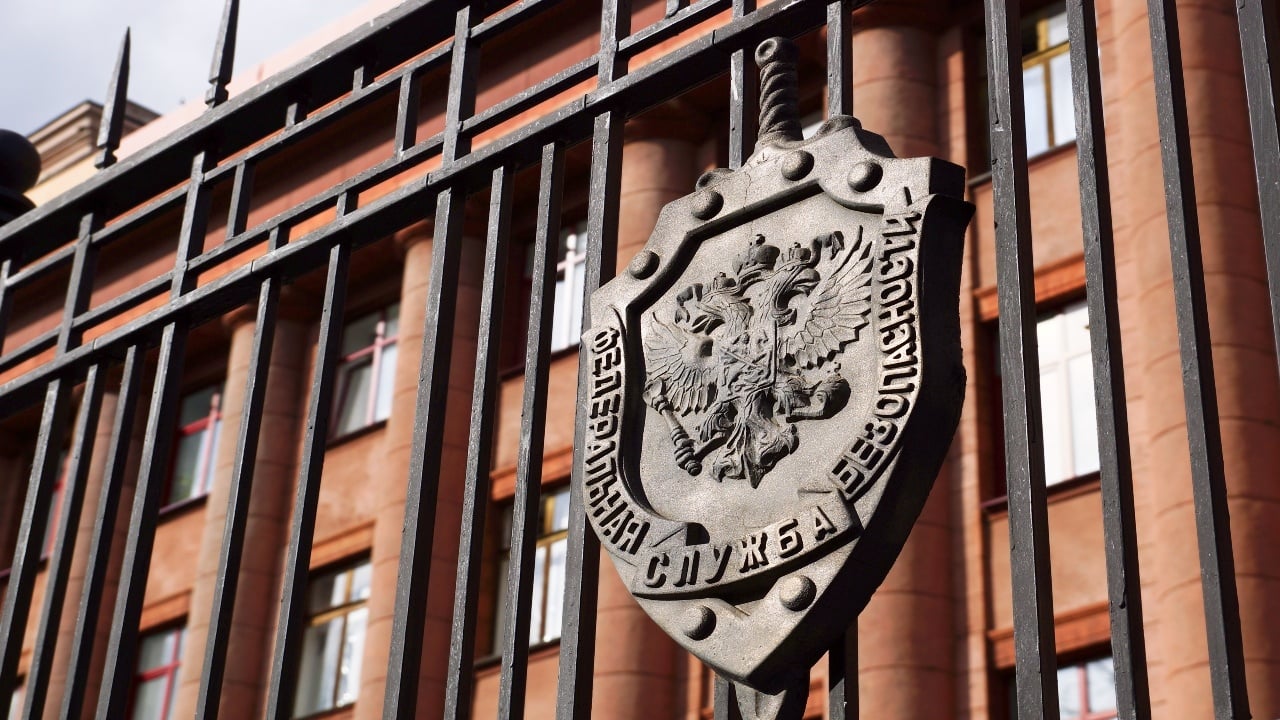
Russian authorities recently dismantled a financial laundering ring operating out of the Moscow City business district, disrupting nine foreign-coordinated cryptocurrency channels used to funnel stolen funds abroad. In a joint operation by the Federal Security Service (FSB) and the Ministry of Internal Affairs (MVD), law enforcement detained more than 20 employees from unregistered cryptocurrency exchange offices operating in Moscow.
According to an FSB statement, the unregistered exchanges allegedly acted as a critical bridge for Ukrainian call centers targeting Russian citizens through phone and online fraud. Scammers maintained constant contact with victims — often targeting vulnerable populations, including retirees — and directed them step by step through transactions without revealing the true nature of the operations.
Victims were reportedly instructed to purchase cryptocurrency at the Moscow City offices, which was then immediately transferred to accounts controlled by organizers based in Ukraine, the statement said. Investigators revealed that the network relied on young operatives recruited from regions across Russia.
The operation by targeting the cryptocurrency exchanges comes as Russia widens its ban on bitcoin mining activities. As reported by Bitcoin.com News, a decree recently signed by Russian Prime Minister Mikhail Mishustin now bars bitcoin mining in Moscow and some territories in the Kursk region until 2032.
Russian authorities have also expanded their crackdown to high-profile figures within the nation’s cryptocurrency sector. Notable targets include Igor Runets, founder and CEO of Bitriver—one of Russia’s largest Bitcoin mining operators—whom investigators accuse of defrauding a major domestic metallurgical and energy conglomerate.
Concurrently, top lawmakers are intensifying public warnings against digital assets; Andrey Svintsov, deputy chairman of the State Duma Committee on Information Policy, Information Technology, and Communications, recently issued a direct appeal advising citizens against purchasing Gram, a token closely associated with the Telegram messaging ecosystem.
Meanwhile, Russian authorities revealed that several couriers aged 18 to 25 had been detained after collecting cash directly from defrauded victims and delivering it to the exchange offices for conversion and overseas transfer.
Investigative units of the Ministry of Internal Affairs have launched criminal proceedings under Part 4 of Article 159 of the Criminal Code of the Russian Federation, which covers large-scale fraud committed by an organized group. Both the exchange office employees and the couriers have been charged with complicity. If convicted, they face up to 10 years in prison.
Authorities are working to identify additional victims to establish the full scope of the financial damage, gather evidence, and explore potential avenues for restitution.
Russia Goes After Durov, Bessent Slams CLARITY Opponents, and More – Weekly Recap
This week’s stories mixed Bitcoin history, U.S. regulation, new financial markets, DeFi consolidation, and geopolitical pressure. Satoshi Nakamoto’s famous “I…


Russia Goes After Durov, Bessent Slams CLARITY Opponents, and More – Weekly Recap
This week’s stories mixed Bitcoin history, U.S. regulation, new financial markets, DeFi consolidation, and geopolitical pressure. Satoshi Nakamoto’s famous “I…
Russia Goes After Durov, Bessent Slams CLARITY Opponents, and More – Weekly Recap
This week’s stories mixed Bitcoin history, U.S. regulation, new financial markets, DeFi consolidation, and geopolitical pressure. Satoshi Nakamoto’s famous “I…



